Leisure
People in the UK spend their leisure time in many different ways.
Gardening
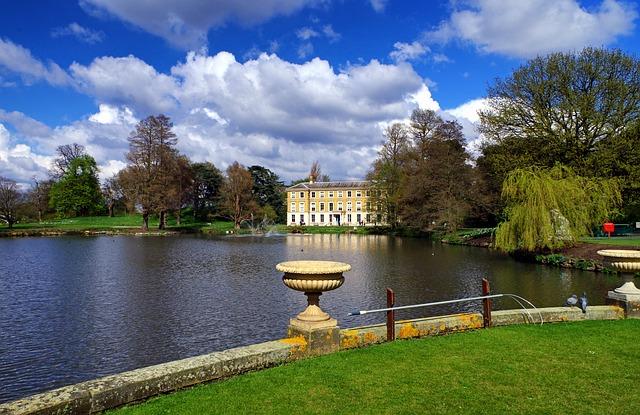
A lot of people have gardens at home and will spend their free time looking after them. Some people rent additional land called 'an allotment', where they grow fruit and vegetables. Gardening and flower shows range from major national exhibitions to small local events. Many towns have garden centres selling plants and gardening equipment. There are famous gardens to visit throughout the UK, including Kew Gardens, Sissinghurst and Hidcote in England, Crathes Castle and Inveraray Castle in Scotland, Bodnant Garden in Wales, and Mount Stewart in Northern Ireland.
The countries that make up the UK all have flowers which are particularly associated with them and which are sometimes worn on national saints' days.
Shopping
There are many different places to go shopping in the UK. Most towns and cities have a central shopping area, which is called the town centre. Undercover shopping centres are also common -- these might be in town centres or on the outskirts of a town or city. Most shops in the UK are open seven days a week, although trading hours on Sundays and public holidays are generally reduced. Many towns also have markets on one or more days a week, where stallholders sell a variety of goods.
Cooking and Food
Many people in the UK enjoy cooking. They often invite each other to their homes for dinner. A wide variety of food is eaten in the UK because of the country's rich cultural heritage and diverse population.
There are a variety of foods that are traditionally associated with different parts of the UK:
- England: Roast beef, which is served with potatoes, vegetables, Yorkshire puddings (batter that is baked in the oven) and other accompaniments. Fish and chips are also popular.
- Wales: Welsh cakes -- a traditional Welsh snack made from flour, dried fruits and spices, and served either hot or cold.
- Scotland: Haggis -- a sheep's stomach stuffed with offal, suet, onions and oatmeal.
- Northern Ireland: Ulster fry -- a fried meal with bacon, eggs, sausage, black pudding, white pudding, tomatoes, mushrooms, soda bread and potato bread.
Films
The UK has had a major influence on modern cinema. Films were first shown publicly in the UK in 1896 and film screenings very quickly became popular. From the beginning, film makers became famous for clever special effects and this continues to be an area of British expertise.
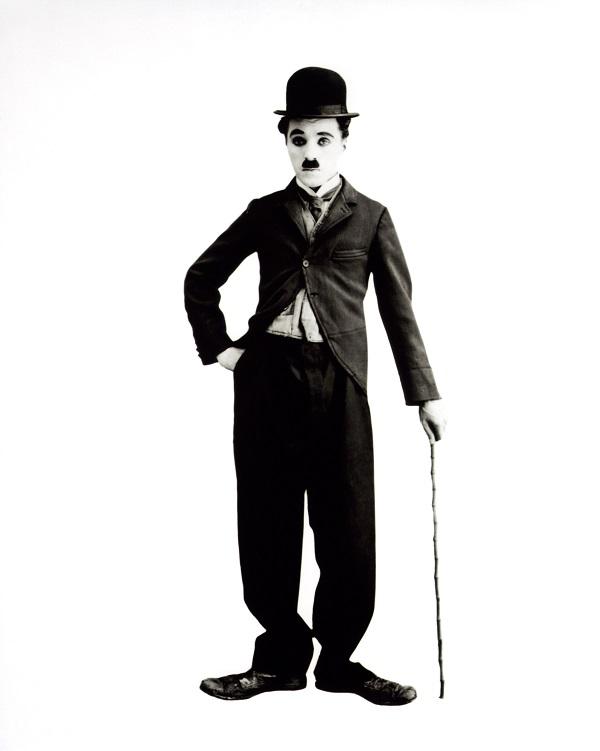
Sir Charles (Charlie) Chaplin became famous in silent movies for his tramp character and was one of many British actors to make a career in Hollywood.
British studios flourished in the 1930s. Eminent directors included Sir Alexander Korda and Sir Alfred Hitchcock, who later left for Hollywood and remained an important film director until his death in 1980. During the Second World War, British movies played an important part in boosting morale. Later, British directors including Sir David Lean and Ridley Scott found great success both in the UK and internationally.
The 1950s and 1960s were a high point for British comedies, including *Passport to Pimlico*, *The Ladykillers* and, later, the Carry On films.
Many of the films now produced in the UK are made by foreign companies, using British expertise. Some of the most commercially successful film franchises (Harry Potter and James Bond) have been produced in the UK. Ealing Studios has a claim to being the oldest continuously working film studio facility in the world.
Nick Park has won four Oscars for his animated films, including three for films featuring Wallace and Gromit.
Notable British Oscar-winning actors include Sir Laurence Olivier, David Niven, Sir Rex Harrison, Richard Burton, Colin Firth, Sir Anthony Hopkins, Dame Judi Dench, Kate Winslet and Tilda Swinton.
The annual British Academy Film Awards, hosted by the British Academy of Film and Television Arts (BAFTA), are the British equivalent of the Oscars.
Some Famous British Films
- *The 39 Steps* (1935), directed by Alfred Hitchcock
- *Brief Encounter* (1945), directed by David Lean
- *The Third Man* (1949), directed by Carol Reed
- *Lawrence of Arabia* (1962), directed by David Lean
- *Four Weddings and a Funeral* (1994), directed by Mike Newell
British Comedy
The traditions of comedy and satire, and the ability to laugh at ourselves, are an important part of the UK character. Medieval kings and rich nobles had jesters who told jokes and made fun of people in the Court. Shakespeare included comic characters in his plays. In the 18th century, political cartoons became increasingly popular. The most famous satirical magazine was Punch, first published in the 1840s. Today, *Private Eye* continues the tradition of satire.
Music hall was a form of variety theatre that was very common until television became the leading form of entertainment. Comedians such as Morecambe and Wise moved from the music halls to become stars of television.
Situation comedies (sitcoms) remain popular. In 1969, Monty Python's Flying Circus introduced a new type of progressive comedy. Stand-up comedy has become popular again in recent years.
Television and Radio
Many different television (TV) channels are available in the UK. Popular programmes include regular soap operas such as *Coronation Street* and *EastEnders*. In Scotland, there is a channel with programmes in the Gaelic language. There is a Welsh-language channel in Wales.
Everyone in the UK with a TV, computer or other medium which can be used for watching TV must have a television licence. One licence covers all of the equipment in one home. People over 75 can apply for a free TV licence and blind people can get a 50% discount. You will receive a fine of up to £1,000 if you watch TV but do not have a TV licence.
The money from TV licences is used to pay for the British Broadcasting Corporation (BBC). The BBC is the largest broadcaster in the world. It is the only wholly state-funded media organisation that is independent of government. Other UK channels are primarily funded through advertisements and subscriptions.
There are also many different radio stations in the UK. BBC radio stations are funded by TV licences and other radio stations are funded through advertisements.
Music Festivals
The UK hosts many music festivals each year. Some of the most famous include:
- Glastonbury -- one of the largest greenfield music and performing arts festivals in the world, held in Somerset, England
- The National Eisteddfod of Wales -- a major cultural festival celebrating Welsh language, music and performance, held annually in a different location in Wales
- The Edinburgh Festival -- the world's largest arts festival, held every summer in Scotland's capital
- The Mercury Music Prize -- awarded annually for the best album from the UK and Ireland
- The BRIT Awards -- the annual pop music awards of the British record industry
Pubs and Night Clubs
Public houses (pubs) are an important part of the UK social culture. Many people enjoy meeting friends in the pub. Most communities will have a 'local' pub that is a natural focal point for social activities. Pub quizzes are popular. Pool and darts are traditional pub games.
To buy alcohol in a pub or night club you must be 18 or over, but people under that age may be allowed in some pubs with an adult. When they are 16, people can drink wine or beer with a meal in a hotel or restaurant (including eating areas in pubs) as long as they are with someone over 18.
Pubs are usually open during the day from 11.00 am (12 noon on Sundays). Night clubs with dancing and music usually open and close later than pubs. The licensee decides the hours that the pub or night club is open.
Betting and Gambling
In the UK, people often enjoy a gamble on sports or other events. There are also casinos in many places. You have to be 18 to go into betting shops or gambling clubs.
There is a National Lottery for which draws are made every week. You can enter by buying a ticket or a scratch card. People under 18 are not allowed to participate in the National Lottery. A 25p in every £1 spent on lottery tickets goes to projects in the arts, sport, heritage and community.
Pets
A lot of people in the UK have pets such as cats or dogs. It is against the law to treat a pet cruelly or to neglect it. All dogs in public places must wear a collar showing the name and address of the owner. The owner is responsible for keeping the dog under control and for cleaning up after the animal in a public place.
Vaccinations and medical treatment for animals are available from veterinary surgeons (vets). There are charities which may help people who cannot afford to pay a vet.
Check that you understand
- Some of the ways in which people in the UK spend their leisure time
- The development of British cinema
- What the television licence is and how it funds the BBC
- Rules about alcohol purchase and gambling age limits
- The National Lottery and how its funds are used
*This is a study guide for the Life in the UK test. Content is based on the official handbook topics.*
Test your knowledge of Chapter 4
Practice Chapter 4 (320 questions)The study guide content on this site is based on information from Life in the United Kingdom: A Guide for New Residents, 3rd edition, published by the Home Office. © Crown copyright. This is an independent study tool and is not affiliated with or endorsed by the Home Office or the official test provider. For the official handbook, visit officiallifeintheuk.co.uk.